

Every so often a hat surfaces that stops a collector cold: a New Era fitted, unmistakably genuine, stamped with a name almost nobody recognizes. Tyro.001. It turns up in estate lots and resale bins, wearing college logos and a serial where a maker's mark should be. For a company as thoroughly documented as New Era, that is a rare thing -- a line the brand made, sold, and then allowed to vanish without a word. Here is what the record can tell us.
What It Was
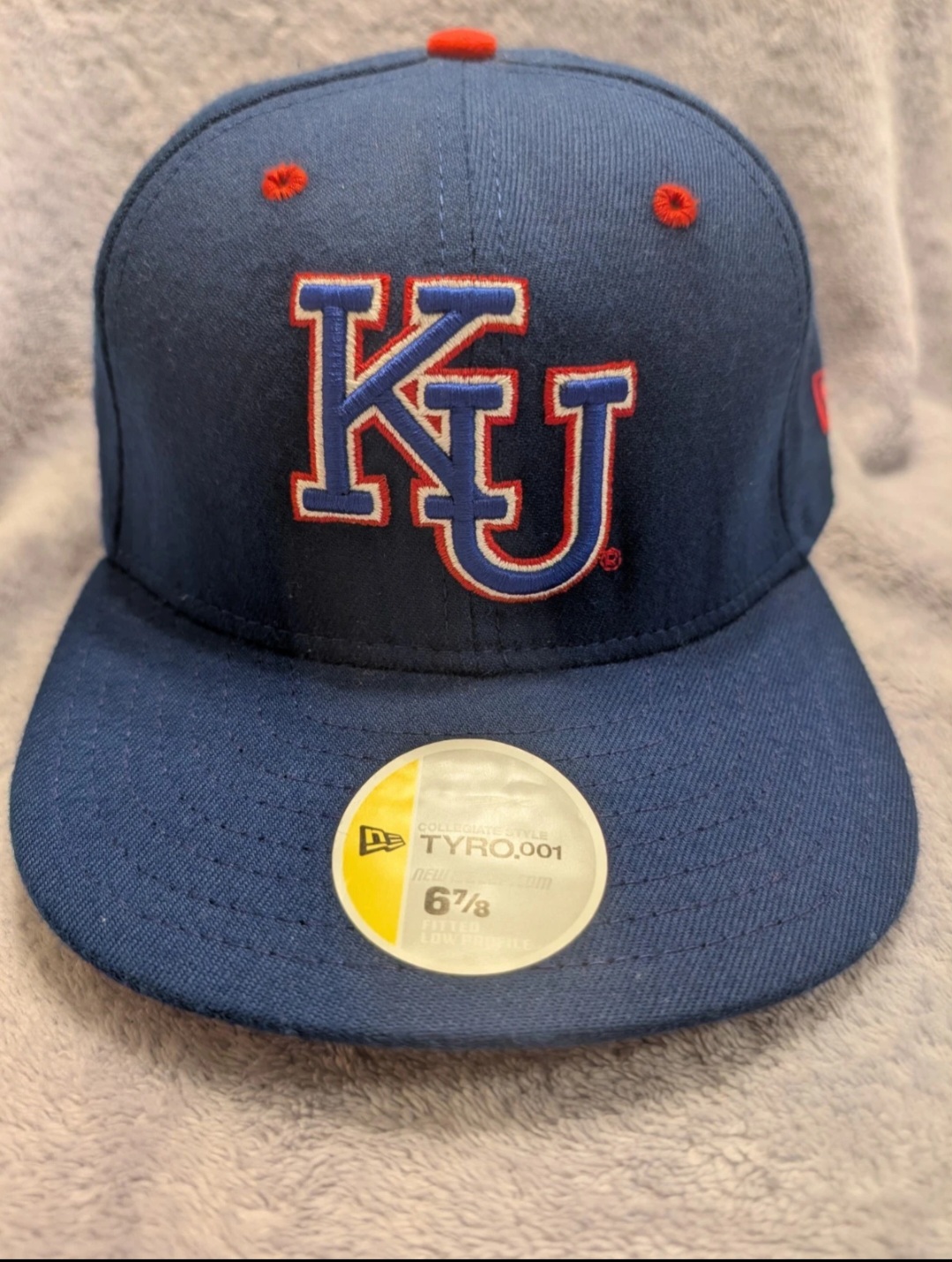
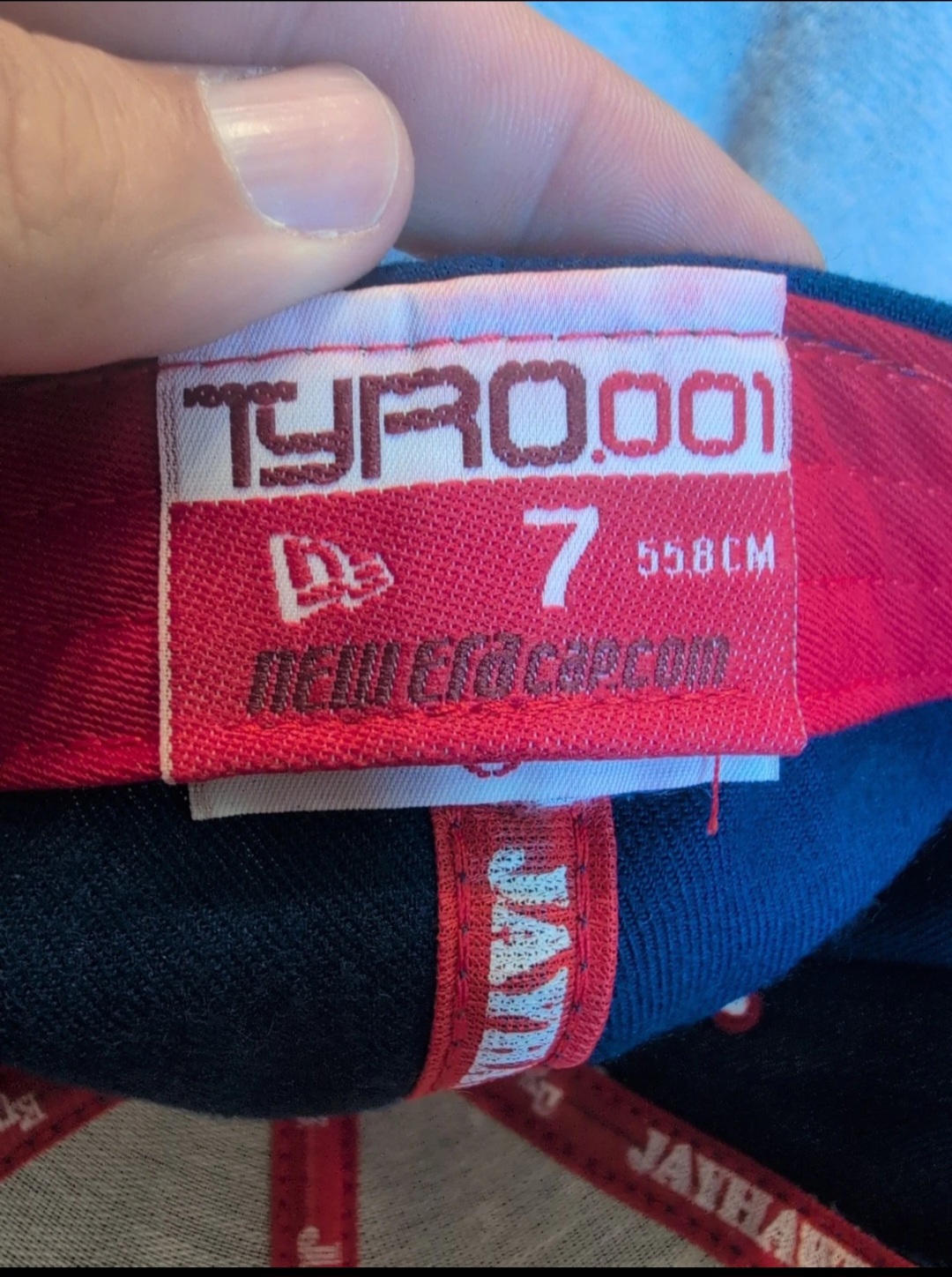
The Tyro.001 was a New Era fitted cap produced in the early 2000s. The pattern across surviving examples is consistent: college teams, almost exclusively. Notre Dame, Oregon State, Nebraska, Boston College, Florida State, UNLV, Kansas, and a long roster of others appear regularly on the resale market, while MLB examples are scarce to nonexistent. Many were built from an acrylic-wool blend, a number used a stretch fit rather than a true fixed size, and a good share carry the mark that still matters to collectors: Made in USA.
The name itself sat where you would expect a maker's stamp. Not a team, not a size -- a label for the line: Tyro.001.
Why It Existed
The timing is the first clue. The turn of the millennium was the window in which the 59FIFTY was climbing from an on-field product toward a cultural one, the shift we traced in the file on Spike Lee's red hat. Companies sensing that kind of momentum tend to experiment, and the evidence suggests New Era was doing exactly that.
The name reads like a thesis. "Tyro" is an older word for a beginner or a novice; paired with ".001," it points to a first edition, an opening entry, a line built to test an idea. Aim that idea at a catalog of college programs and a reasonable conclusion follows: this was a dedicated collegiate fitted, launched under a new name to see whether it would find an audience. The trademark filing in 2001 fits that reading. A brand does not register a name it plans to use only once.
Why It Disappeared
The record closes almost as fast as it opens. The Tyro.001 trademark was abandoned by 2003 -- roughly a two-year life from filing to end.
No public explanation was ever issued, so the cause is a matter of inference rather than record. The most plausible one is not controversy but consolidation: the 59FIFTY won. As the flagship hardened into the definitive New Era silhouette, the benchmark every later cap would answer to, a separate collegiate sub-brand had little room to justify itself. The experiment was folded back into the main line and quietly retired.
How It Compares Today
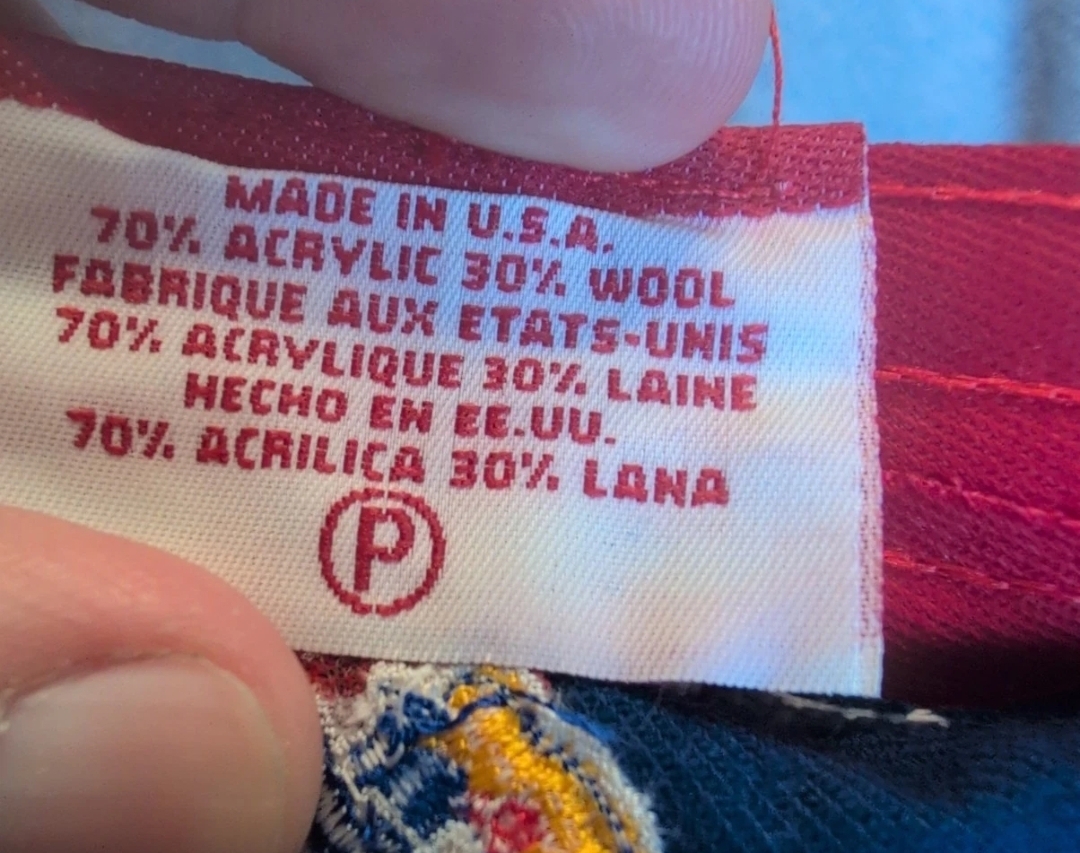
Placed next to a current fitted, the Tyro.001 shows its age in the details. The content tag on the Kansas example reads 70% acrylic and 30% wool, made in the U.S.A. -- a domestic, wool-in-the-mix construction that sets it apart from a large share of the modern line, which now runs on polyester and overseas assembly. The stretch-fit examples also wear differently from the structured, fixed-crown 59FIFTY that defines the category today.
None of that makes it the better-engineered hat. On specifications alone, a current 59FIFTY holds its own. What the Tyro.001 offers instead is what no active production run can supply on demand: scarcity, age, and the standing of a design its own maker walked away from.
Where to Find One
No retailer stocks these, and they will not appear on our board -- Hatlock Holmes tracks live sale hats from active stores, and the Tyro.001 has been out of production for more than twenty years. This is resale territory.
The markets worth searching, using the term "New Era Tyro.001":
- eBay -- the deepest supply, and usually the first place examples surface.
- Etsy -- a steady vintage trickle, occasionally new-old-stock.
- Grailed and Poshmark -- thinner inventory, but examples appear.
- SidelineSwap -- a sports-gear resale market where the college examples tend to cluster.
Two practical cautions. These predate current sizing conventions, so rely on a measured interior crown rather than the printed tag, and ask the seller for that measurement before buying. And on a cap this old, condition is decisive: stained sweatbands and cracked brims are common, and genuinely clean examples are not.
The Verdict
The Tyro.001 is a minor footnote in New Era's history and, at the same time, one of its more interesting ones. It is a record of a direction the company tested and chose not to pursue, preserved only because a few thousand of them are still out there in closets and resale bins. As an object it is a solid early-2000s fitted. As evidence, it is a reminder that even the most dominant product in a category started as one idea among several -- and that the ones left behind are often the ones worth studying.
- Hatlock